Fright Train Train Cars and Layouts
How procedural cars, doors, storms, and terminals shape every Great White expedition.
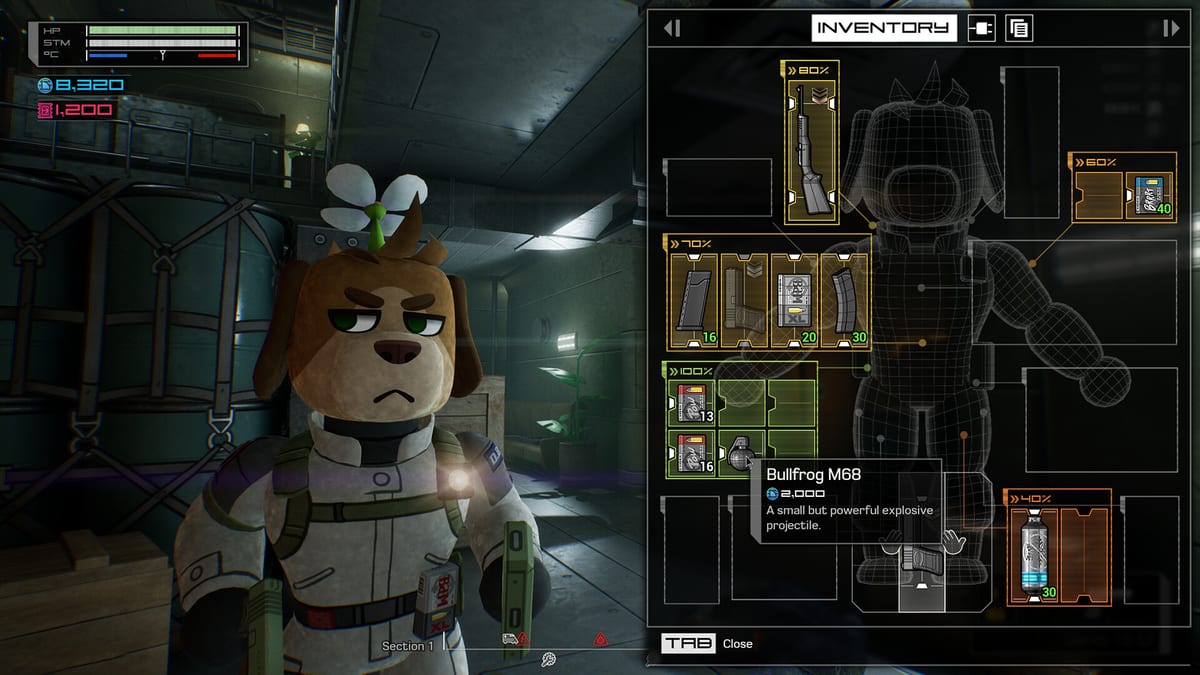
This Train Cars guide explains the geography of Fright Train: how procedural layouts work, why door fees matter, what rooms are for, how storms lock you in, and how extraction on the locomotive roof ends a run. If you keep dying because you treated the train like a static hallway, this page is your map.
Fright Train’s L.R.S. Great White is not one fixed level. Each expedition rearranges cars, loot density, and pressure timing. Your skill is reading a new layout fast while integrity decays and the distance tracker paints the next storm. Pair this article with Keep the Train Running for meters and antifreeze, and with Combat and Storms for lock-in clears.
Procedural cars, fixed fantasy
Procedural generation changes room order, loot placement, and which doors gate progress. It does not remove the fantasy rules:
- Credits unlock doors and purchases
- Cars can decay and fail
- Storms can seal your current car
- Extraction still pulls you toward the locomotive
Think of each run as a new shuffle of the same deadly deck. Learning patterns beats memorizing one demo path — especially after the Steam demo sunset. Refresh fundamentals in Getting Started if an old demo route is still living in your muscle memory.
Door fees as pacing, not padding
Many doors charge a one-time employee credit fee. That gate forces scavenging, selling junk, and choosing between progress and supplies. New agents often rage-buy the next door with an empty antifreeze reserve. Veterans buy the door only after a terminal glance and a magazine pack.
Door decision checklist:
- Is integrity healthy enough for the next stretch?
- Do I have heat pads if this path forces roof or exterior work?
- Are magazines packed for a surprise storm?
- Is the fee cheaper than the risk of camping this car forever?
If the answer to integrity is “maybe,” repair first. A paid door into a critical car is a paid funeral.
Room types you should recognize
Exact labels vary by layout, but useful mental categories repeat:
- Loot closets — quick credit and consumable spikes; easy to overstay.
- Terminal rooms — maintenance and window/shutter control; high priority.
- Vending / vendor spaces — spend credits on supplies and orders; budget for roof deliveries.
- Long aisles — mid-range gun territory; bad for cluttered backpacks mid-fight.
- Tight junctions — shotgun heaven; also surround hell if shutters are open.
When you enter a car, identify the terminal before you identify the snack pile. Fiction and survival share those screens.
Terminals and shutters
Maintenance terminals let you spend resources to stabilize car status early. Window terminals close shutters so storms stop treating every pane like a spawn door. Ignoring terminals is the most common mid-game skill issue dressed up as “bad RNG.”
Rule of thumb: if you have time to rearrange cosmetics in inventory, you have time to tap a terminal. Inventory discipline still matters — see Inventory Management — but terminals are the train’s immune system.
Vending, orders, and roof pickups
Vending machines and shopping flows convert credits into survival. Ordered weapons or supplies may arrive on the roof of your current car. That means heat pads, exposure timing, and a plan to re-enter before the cold or a storm marker ruins the purchase.
Do not order a gun you cannot escort home. Do not sell the antifreeze that would have made the next car safe. Cross-check what is worth carrying on the Items Tier List before your backpack becomes a museum.
Storm lock-ins as car exams
When the distance tracker warns of a storm, assume the current car becomes an arena. Prep shutters, pack mags, and pick a funnel angle. Leaving mid-storm is typically not an option until the clear finishes. A slow clear is also a maintenance problem because integrity takes hits while you panic-reload.
Storm geography tips:
- Hold door frames in short cars
- Use seat rows as soft cover, not as camping couches
- Pre-pack mags during calm; never invent time mid-wave
- After the lock lifts, repair immediately — the next marker is already moving
Full choreography lives in Combat and Storms.
Reconfiguration and why greed fails
The train can reconfigure. Runs are not endless tourism. Lingering for every crate while meters bleed is how agents convert a winning layout into a blizzard repair fight. Push when healthy. Loot when safe. Extract when the locomotive objective is available instead of hunting a perfect backpack.
Extraction on the locomotive roof
Extraction is the promise that the procedural maze has an end state. Reaching the locomotive roof is a logistics problem as much as an aim problem: heat, integrity, ammo, and a route that does not strand you outside during the wrong minute. Treat the final approach like a planned operation — magazines high, antifreeze reserved, inventory cleaned of trophy junk.
If you repeatedly die “one car from extract,” you do not have a lore problem. You have a pacing problem. Rehearse earlier cars with the Getting Started loop until forward progress feels boring.
Practical car-reading routine (60 seconds)
- Sweep for terminals and shutter controls.
- Glance integrity and antifreeze needs.
- Note door fees before spending on luxury guns.
- Sort magazines to fast body slots.
- Mark a storm hold angle even if the tracker is quiet.
- Only then deep-loot side rooms.
Related pages
- Keep the Train Running — integrity, antifreeze, outside repairs.
- Combat and Storms — lock-in clears.
- Inventory Management — fetch speed and mag packing.
- Getting Started — full beginner loop.
- Items Tier List — what deserves pocket space.
The Great White is a puzzle made of doors, meters, and storms. Learn to read the car you are in — not the car you wish the demo had frozen forever.
Frequently Asked Questions
Quick answers for Antarctic agents.
Are Fright Train cars the same every run?
No. Layouts are procedural. Learn patterns and terminal priorities instead of one fixed route.
Why do doors cost credits?
One-time door fees pace progression and force scavenging. Repair and restock before greed purchases.
What should I do first in a new car?
Find maintenance and window terminals, check integrity, then loot. See Keep the Train Running.
Where do ordered weapons arrive?
Often on the roof of your current car. Budget heat pads and time for the pickup.
How do storms interact with train cars?
Storms can lock you in the current car until enemies are cleared. Prep with Combat and Storms.